Top 10 Essential Callouts for CS2: Master Your Game
Counter-Strike 2 (CS2) has raised the bar for tactical shooters, and mastering it requires not just skill but also an understanding of the game mechanics. To truly master your game, you need to focus on essential callouts that enhance communication with your team. Here are the top 10 essential callouts that every serious player should familiarize themselves with:
- Mid: A crucial area that connects both sides of the map.
- A Site: Refers to the area designated for bomb planting on the A side.
- B Site: The counterpart to A, another bomb planting location.
- Long: The long pathway leading to A Site, ideal for snipers.
- Short: A shorter route to A Site, often contested in rounds.
- Catwalk: A raised area providing vantage points over A Site.
- Connector: A vital passage between Mid and A Site.
- Secret: A sneaky route to B Site that can catch opponents off guard.
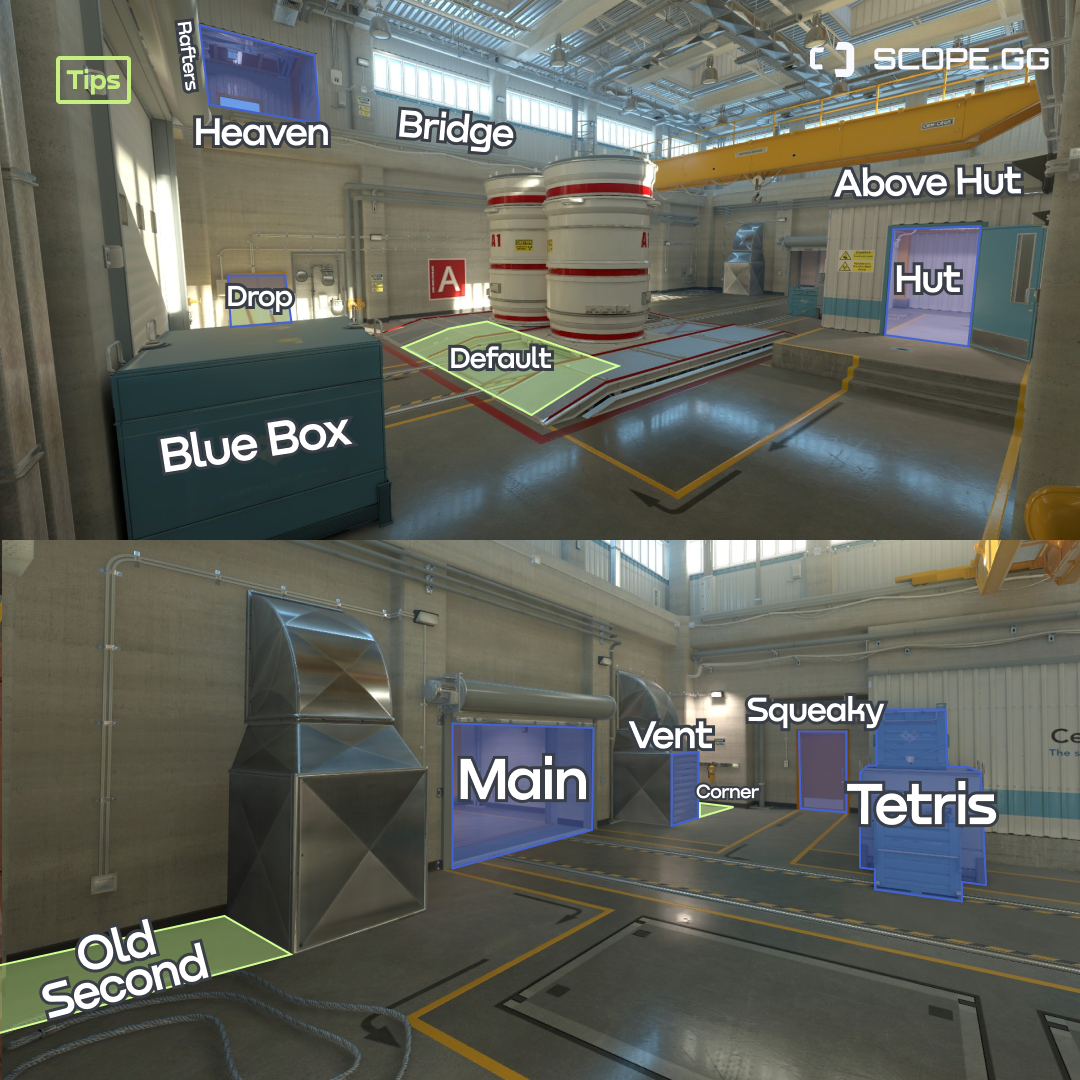
- Heaven: The elevated spot on B Site for strategic oversight.
- Stairs: A common reinforcing spot for defending or attacking Sites.
Utilizing these callouts will significantly improve team coordination and help in executing strategies effectively. You’ll also find that communication becomes smoother, ensuring a higher chance of winning matches and elevating your overall performance in CS2. Remember, knowledge of the map and its callouts is just as crucial as aiming skills when it comes to playing at a competitive level.
Counter-Strike is a highly popular tactical first-person shooter franchise that has captivated gamers around the world. Players engage in team-based combat across various maps and game modes, with one of the most sought-after collections being the 2018 nuke collection, which features a range of unique skins and weapons. The game's strategic depth and competitive nature have made it a staple in the esports community.
How to Communicate Effectively with Callouts in CS2
Effective communication in CS2 can significantly enhance teamwork and gameplay strategies. One of the most effective tools at your disposal are callouts, which are short phrases or words used to convey crucial information quickly. When using callouts, it's important to be clear and concise; for example, instead of saying, 'The enemy is near the red container on the right,' simply stating 'Red container!' can communicate the same idea swiftly. Consider creating a common callout system with your team to reduce confusion and ensure everyone is on the same page.
Moreover, the use of callouts can be greatly improved by using a logical structure or hierarchy to categorize them. A list of established locations, like bomb sites or high traffic areas, can serve as a reference point for all players. Here’s a simple callout structure you might implement:
- Site A
- Site B
- Mid
- Upper Tunnels
- Lower Tunnels
By organizing your callouts in this manner, communication becomes more efficient, allowing your team to react swiftly to changing situations and increasing your chances of success.
Are You Using These Game-Changing Callouts in CS2?
With the release of CS2, players are discovering innovative ways to enhance their gameplay and communication strategies. One of the most effective methods is utilizing game-changing callouts. These callouts not only streamline team coordination but also help in quick decision-making during intense gameplay. Have you tried incorporating specific callouts for critical locations like bomb sites, mid, or flanks? By adopting a standard callout system, you can significantly improve your team's overall performance and ensure everyone is on the same page.
In CS2, successful teams often leverage contextual callouts that reflect the current situation in the game. For instance, using phrases like 'one pushed', 'watching flank', or 'rotate now' can provide your teammates with crucial information without the need for excessive chatter. To get you started, here are some must-know callouts:
- Site A – Typically referred to as 'A site'
- Mid – The central area that often serves as a conflict point
- Flank – An enemy coming from behind the primary engagement
Mastering these callouts not only makes your communication more effective but also elevates your team's synergy on the battlefield.