How Noise Cancelling Technology Works: An In-Depth Look
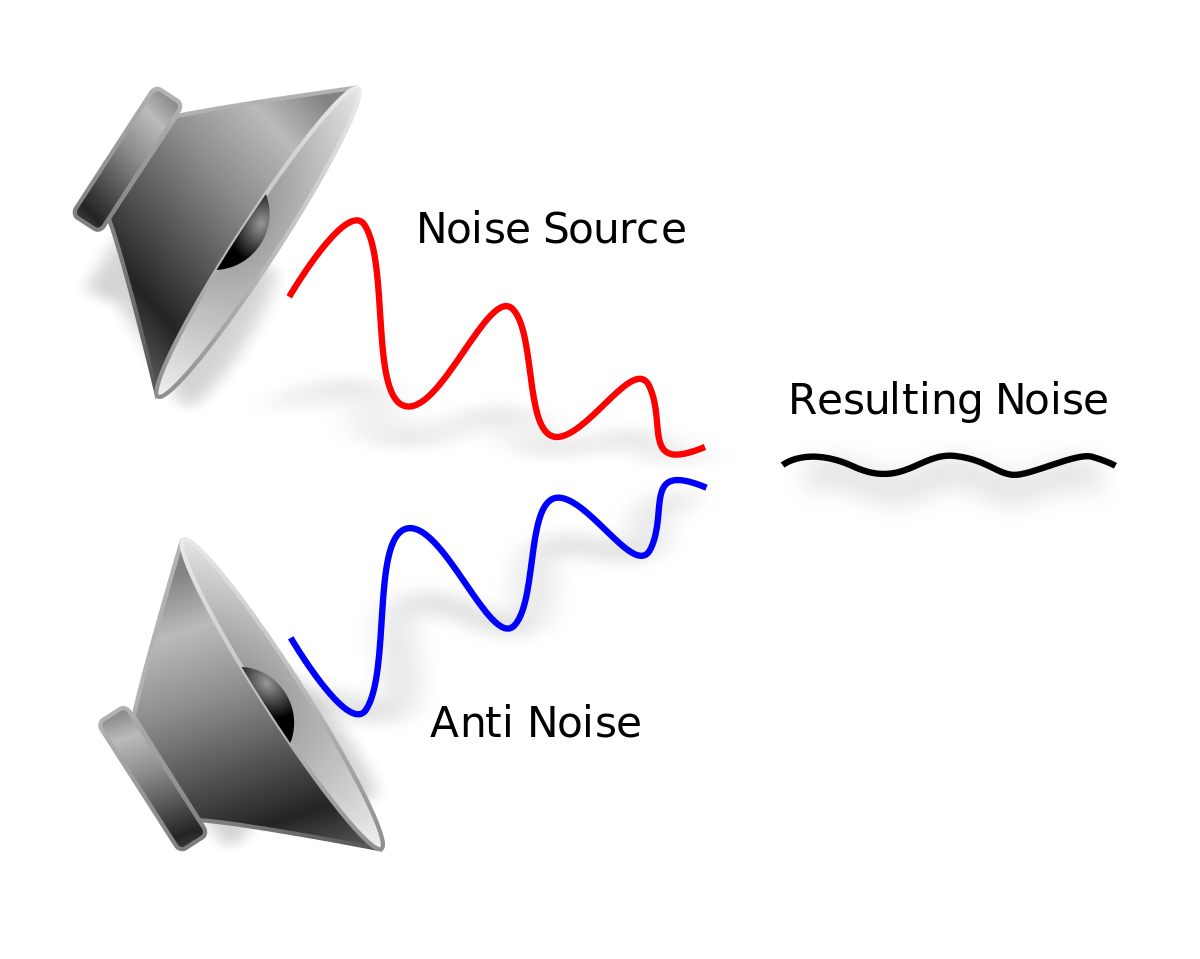
Noise cancelling technology works by utilizing advanced engineering principles to reduce unwanted ambient sounds. At its core, this technology operates on the principle of sound wave interference. When noise cancellation headphones are activated, they use small microphones to detect external sounds, which are then analyzed by an internal processor. The headphones generate a sound wave that is the exact opposite (or anti-phase) of the detected noise. This process effectively cancels out the external sounds, allowing the user to enjoy their music or focus on a task without distractions.
There are typically two types of noise cancelling technologies: active and passive noise cancellation.
- Active Noise Cancellation (ANC) This involves electronic circuits that have the capability to detect and counteract noise.
- Passive Noise Cancellation This relies on the physical design of the headphones or earphones to block sound by creating a seal around the ears.
If you're an Apple Music subscriber, finding the right headphones can significantly enhance your listening experience. Check out our list of the Top 10 headphones for apple music, featuring options that cater to various preferences and budgets. Whether you prioritize sound quality, noise cancellation, or comfort, there's something for everyone on our curated list.
Top 5 Unexpected Benefits of Using Noise Cancelling Headphones
Noise cancelling headphones are more than just a trendy accessory; they offer a multitude of unexpected benefits that can significantly enhance your daily life. First and foremost, they promote better concentration. In a world filled with constant distractions, these headphones create a serene audio environment, allowing you to immerse yourself in your tasks—be it studying, working, or even reading. With the ability to block out background noise, they act as a personal sound cocoon, which can increase your productivity and lead to improved performance in your personal and professional endeavors.
Another surprising advantage of using noise cancelling headphones is their positive impact on mental well-being. By eliminating unwanted noise, these headphones provide a quieter space for relaxation and mindfulness. Whether you're meditating, practicing yoga, or simply enjoying your favorite tunes, the effects of reduced auditory clutter can lower stress levels and enhance your overall mood. This level of tranquility can lead to a more enjoyable commute or even a better night’s sleep, proving that sometimes silence is indeed golden.
Is Silence Really Golden? Examining the Psychological Effects of Noise Reduction
In a world increasingly filled with distractions, the phrase silence is golden takes on new significance, particularly when examining the psychological effects of noise reduction. Studies have shown that excessive noise can lead to increased levels of stress and anxiety, affecting our overall mental well-being. As such, finding ways to create a quieter environment can profoundly impact our mood and cognitive functions. For instance, environments that minimize noise pollution have been linked to improved focus, enhanced creativity, and even better health outcomes.
Moreover, the shift toward prioritizing noise reduction aligns with the growing interest in mindfulness and mental health practices. Incorporating silence into our daily routines—whether through meditation, spending time in nature, or simply enjoying quiet moments—can foster a sense of peace and clarity. As we explore the concept of silence vs. noise in our increasingly chaotic world, it becomes clear that cultivating quiet spaces is more than just a luxury; it's a necessary component for psychological well-being and resilience.