Top 10 Nutritional Tips for a Happier, Healthier Pet
Keeping your pet happy and healthy starts with their diet. Here are the top 10 nutritional tips to ensure your furry friend receives the best care:
- Provide a balanced diet that includes proteins, fats, and carbohydrates. Ensure you choose high-quality pet food recommended by veterinarians or trusted sources like the AVMA.
- Stay mindful of portion sizes, as obesity can lead to serious health issues. Consult with your vet for personalized feeding guidelines.
- Include fresh fruits and vegetables in moderation. Foods like carrots and blueberries can be a great treat that's also nutritious.
- Always keep fresh, clean water available for your pet to stay hydrated.
- Consider incorporating omega-3 fatty acids into your pet's diet for a shiny coat and healthy skin. Sources can include fish oils or specialized pet supplements, which you can explore further at Chewy.
In addition to the basics, it’s crucial to regularly review your pet's dietary needs:
- Transition to new foods gradually to avoid gastrointestinal upset.
- Monitor your pet’s weight and adjust their food intake as necessary, especially as they age.
- Avoid feeding your pet human food, especially toxic items like chocolate, grapes, and onions. For a comprehensive list, check out ASPCA.
- Consider working with a veterinary nutritionist for personalized meal plans.
- Lastly, always give your pet a little love along with their nutritious meals, as happiness often contributes to health!
How to Recognize Common Pet Health Issues Early
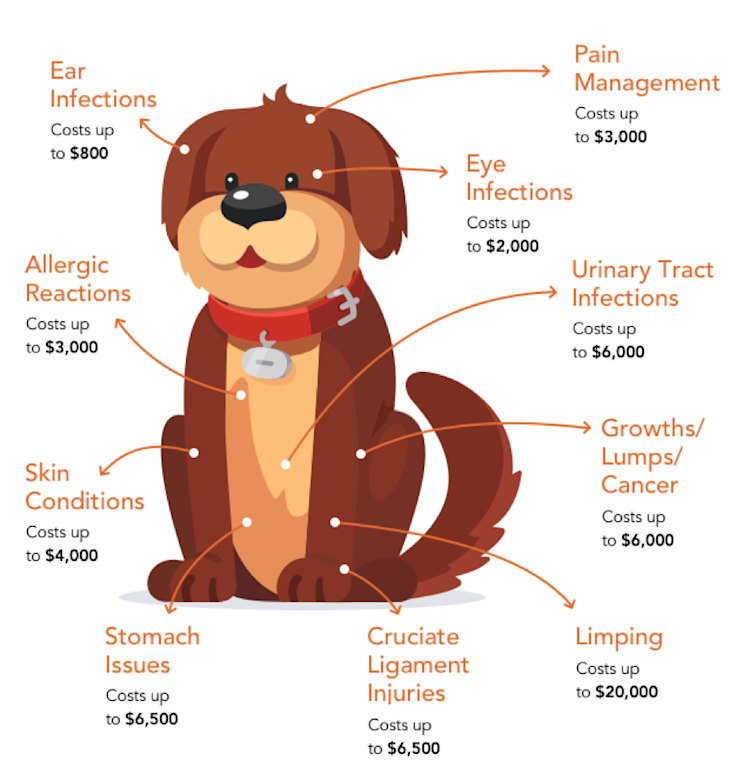
Recognizing common pet health issues early can significantly improve the chances of successful treatment and enhance your furry friend's quality of life. As a responsible pet owner, it’s crucial to stay vigilant for any signs of discomfort or illness. Some of the most frequent health problems include obesity, dental disease, and skin conditions. Regular visits to the veterinarian can help identify these issues, but being attentive to your pet's behavior at home is equally important. Look for changes in eating habits, energy levels, grooming behaviors, and weight.
When observing your pet, consider these key indicators that may signal a health problem:
- Changes in Appetite: A sudden increase or decrease in food consumption can indicate underlying issues.
- Behavioral Changes: Increased aggression, excessive hiding, or unusual vocalizations can suggest distress.
- Physical Symptoms: Notice any unusual lumps, bumps, or signs of discomfort like limping or scratching.
The Benefits of Regular Exercise for Your Pets: A Complete Guide
Regular exercise is as essential for pets as it is for humans. Engaging your furry friends in consistent physical activity can significantly enhance their overall health and well-being. Some key benefits include:
- Improved Physical Health: Exercise helps maintain a healthy weight, reducing the risk of obesity-related conditions such as diabetes and arthritis. For more information on pet obesity and its risks, visit AVMA.
- Enhanced Mental Stimulation: Regular activity can prevent behavioral issues stemming from boredom or anxiety, keeping your pet mentally sharp and happy.
Moreover, exercise strengthens the bond between you and your pet, providing an opportunity for interactive play and socialization. Establishing a routine not only fosters discipline but also builds trust. For tips on creating an effective exercise regimen for your pet, check out this comprehensive guide from The Humane Society. Remember, a well-exercised pet is a happy and healthy pet!